

What Makes a Safe Wheel?
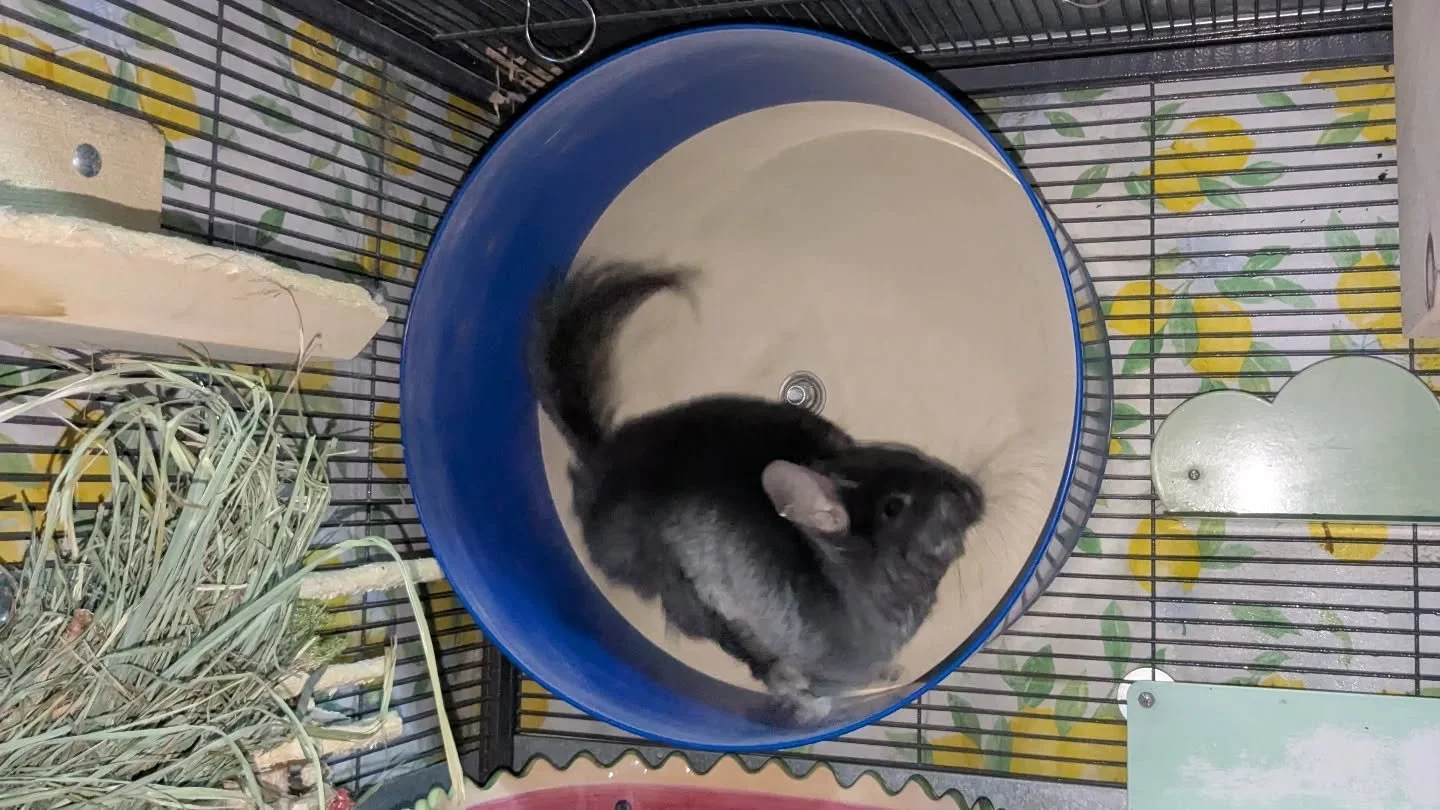
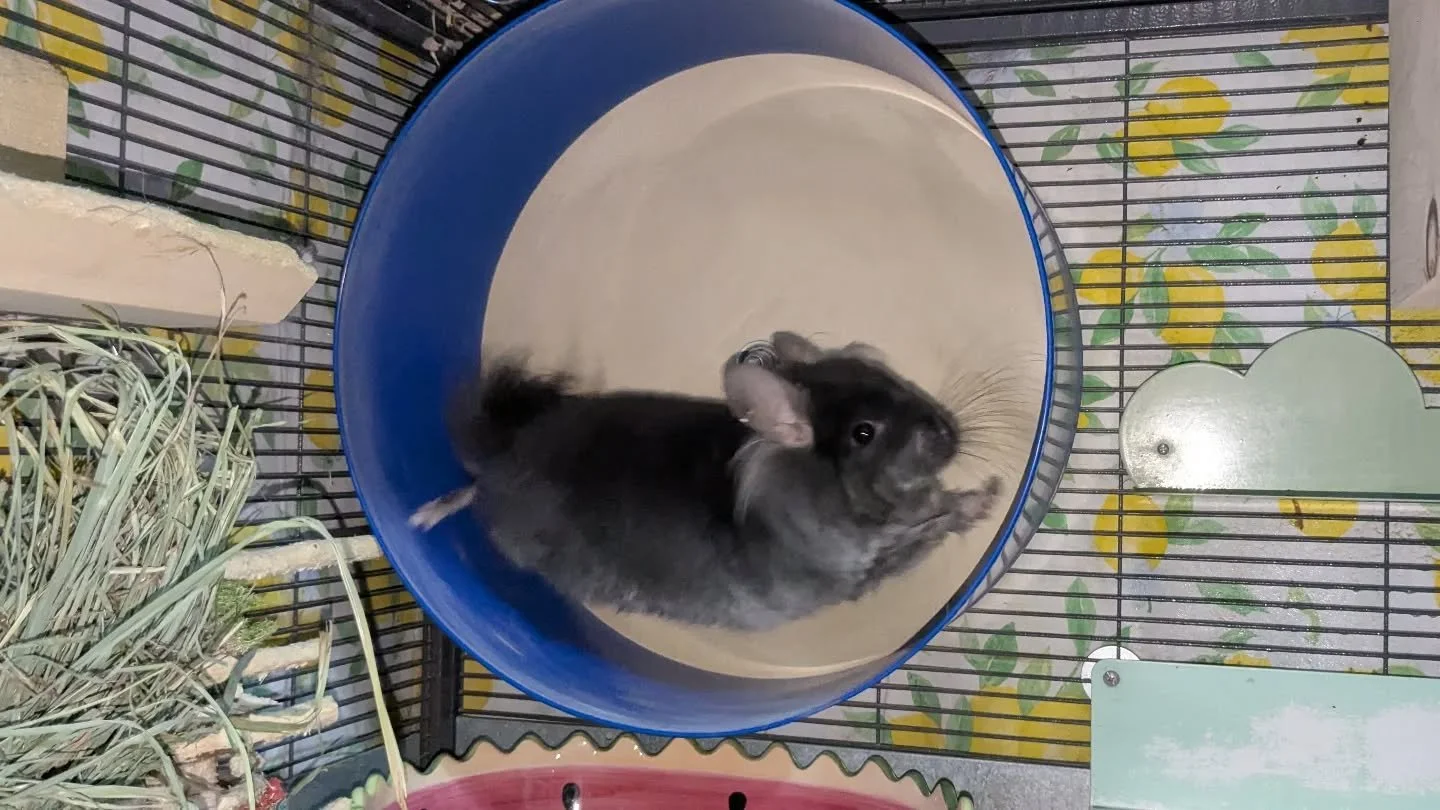
Chinchillas do not need a wheel. While they may use one for exercise, wheels can also become a coping mechanism for frightened prey animals, leading to stress-related overuse. Chronically high cortisol levels from excessive running can negatively impact their health. If your chinchilla is obsessively running on a wheel in response to any trigger, consider removing it temporarily and trying again later when the trigger is resolved.
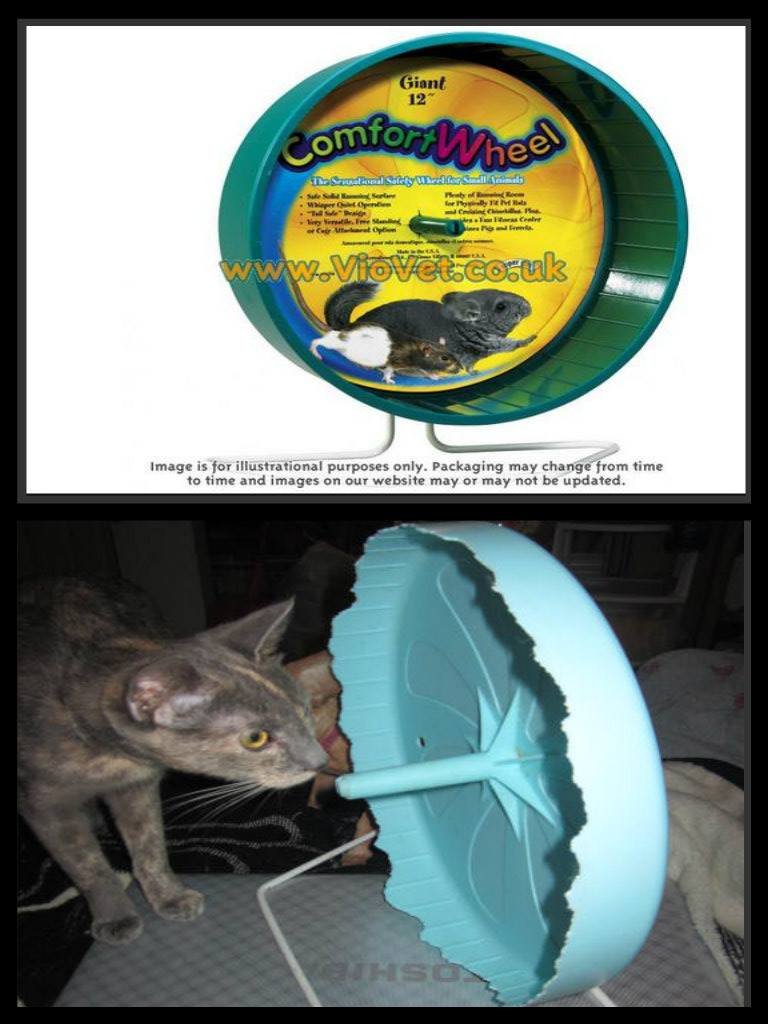
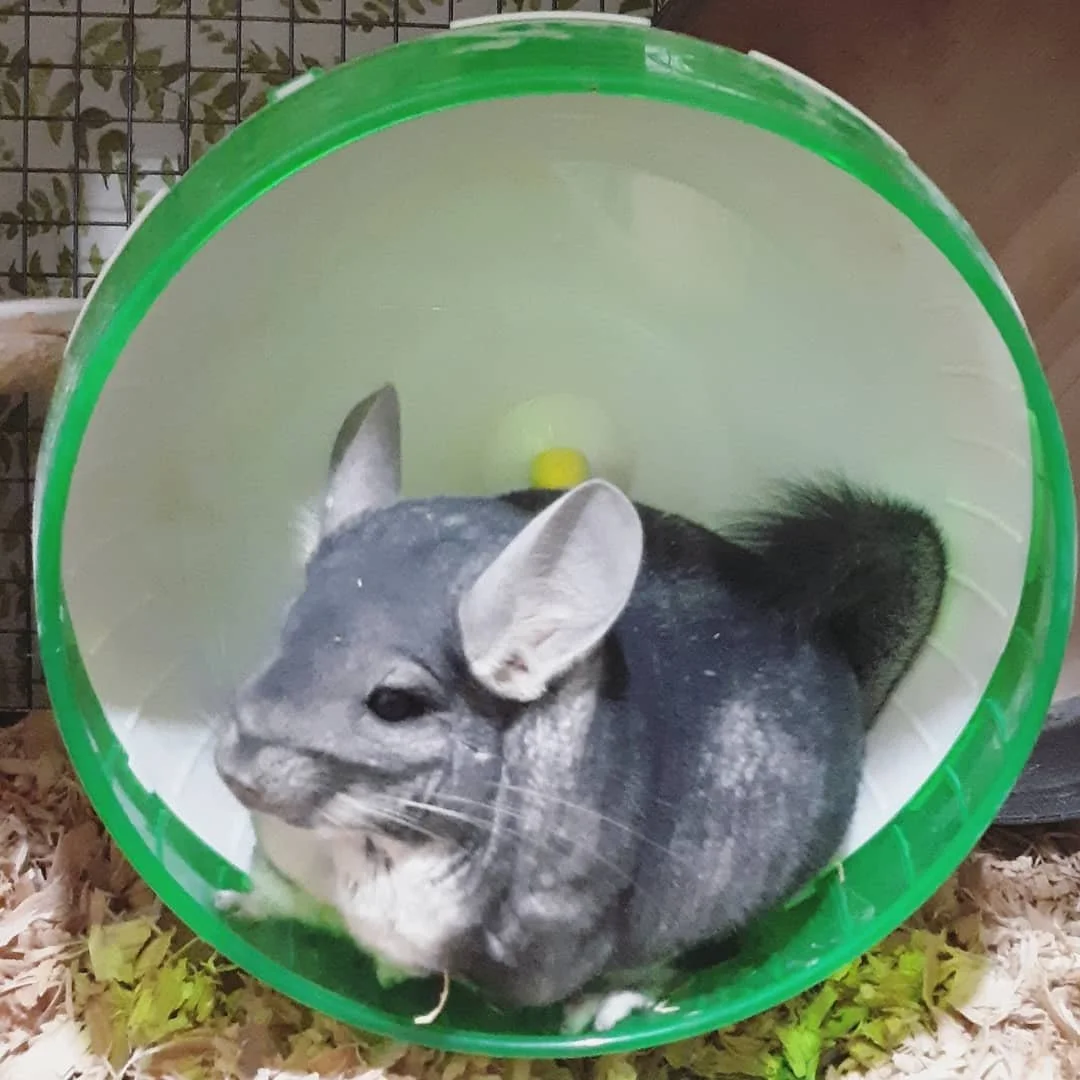
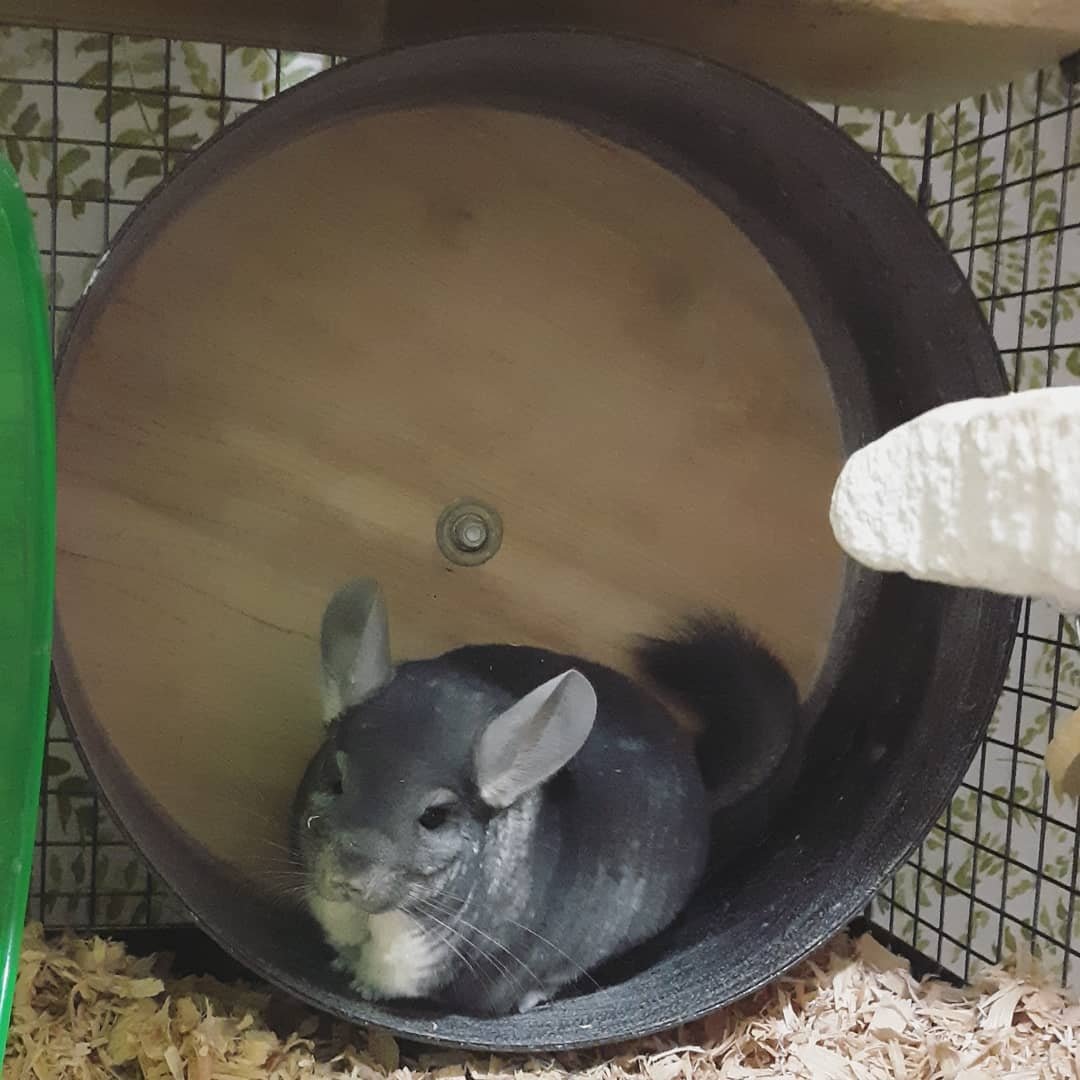
For a wheel to be considered safe, it must be made of metal. Plastic wheels are hazardous. Not only can they be chewed and ingested, but they also wear down from friction, increasing the risk of collapse and injury to your pet.
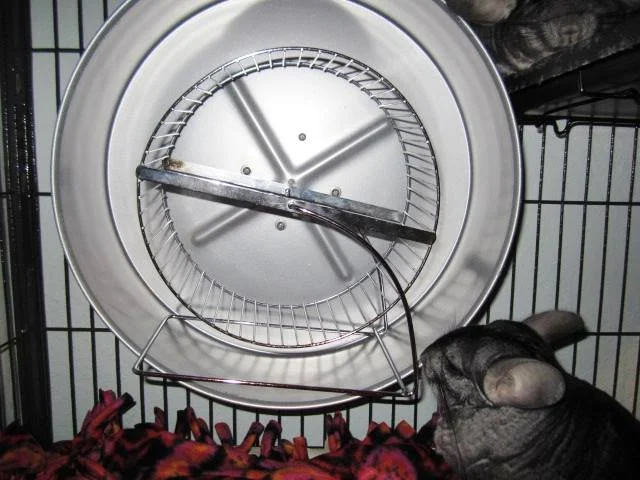
So, does that mean metal mesh wheels with center spokes are safe? Absolutely not!
Wheels with center spokes and crossbars are notorious for trapping legs and tails, leading to severe injuries.
The Correct Size Matters
In addition to being made from the right material, a safe wheel must be the correct size. The minimum diameter should be 14 inches.
Why? Chinchillas leap and stretch their bodies when they run. Unlike rodents that scurry, chinchillas hop bipedally, like rabbits. From nose to tail tip, an adult chinchilla is about 15 inches long, though they typically hold their tails curled. A wheel smaller than 14 inches forces them into an unnatural posture, compressing the intervertebral discs (the soft tissue between spinal bones). Over time, improper wheel use can lead to:
Hunching of the spine
Pinched nerves
Arthritis
Unfortunately, by the time symptoms appear, the damage is already done, and your pet is experiencing daily pain.
Where to Find Safe Wheels
Currently, no major chain pet stores offer properly sized, all-metal wheels for chinchillas. However, several small businesses and specialty retailers do:
✔ Pandamonium Pets – Offers a variety of safe chinchilla wheels.
✔ Exotic Nutrition – Makes a fully metal wheel.
✔ Chewy – Occasionally stocks the Brytin Silver Surfer Chinchilla Wheel, though availability is limited.
If you choose to provide a wheel, choose wisely—your chinchilla’s long-term health depends on it!
Why do chain pet stores sell wheels and other products labeled with Chinchillas on the packaging?
In many cases, this comes down to marketing convenience rather than animal welfare. Large pet retailers often aim to sell a single product to owners of multiple species. To do that, products are designed to be inexpensive to manufacture, lightweight to ship, and priced low enough to encourage repeat purchases when they wear out.
Unfortunately, this approach often results in misleading packaging and inappropriate sizing. For example, wheels marketed for Syrian hamsters are frequently only 6 inches in diameter. These sizes are actually suitable only for dwarf hamsters. Wheels recommended for rats are often just 8–10 inches in diameter, which is more appropriate for Syrian hamsters instead.
Wheels featuring Chinchillas on the packaging are particularly problematic. In chain pet stores, these wheels are typically no larger than 12 inches in diameter, making them unsuitable for chinchillas and instead appropriate only for smaller rats or Syrian hamsters. Chinchillas, along with animals such as hedgehogs, groundhogs, and squirrels, require wheels that are at least 14 inches in diameter, and often closer to 16 inches. These larger wheels must be specially designed to ensure proper spinal alignment and safe movement.